
Travel Stories · Adventure · October 26, 2026 · 3 min read
How to choose a walking trip, from someone who's done a few
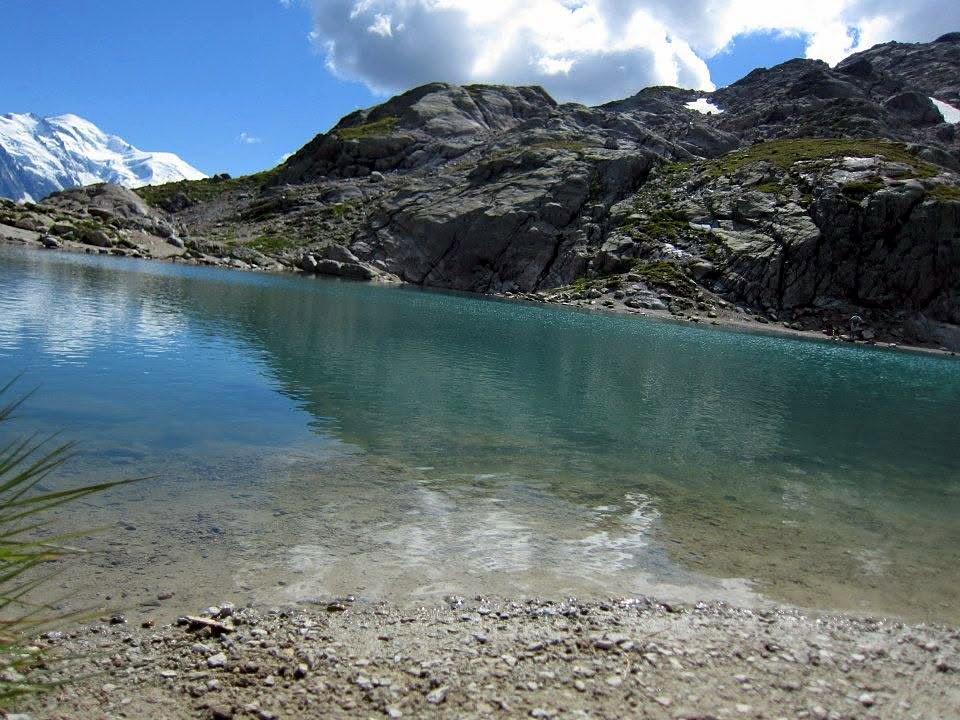
My longest walk took most of 2020: 2,194 miles on the Appalachian Trail, from Springer Mountain in Georgia to Katahdin in Maine. My shortest long walk was a week on the Tour du Mont Blanc, from Courmayeur to Chamonix. In between came nine days around Torres del Paine in Chilean Patagonia and the Annapurna Circuit in Nepal.
None of those trips went exactly to plan, and what I'd change about each one has less to do with fitness than with planning. Here's how I'd help you choose.
Start with how many days you actually want to walk
Most famous routes have a shorter version that keeps the best of them. The full Tour du Mont Blanc is roughly 165 to 170 kilometers and takes most people 10 or 11 days, but Courmayeur to Chamonix in about a week covers the stretch most people remember. In Torres del Paine, the W takes four or five days where the full circuit takes seven to nine. And you don't need six months for the Appalachian Trail: a few days in Shenandoah or the Smokies gives you a good taste of it.
Be honest about the number of days, and leave one spare for weather.
Decide how you want to sleep
Hut to hut means mountain refuges with dinner and breakfast included. You carry your own clothes and share the evenings with other walkers. It's the classic way to do the Alps and the Dolomites, and the good huts book up months ahead for summer.
Inn to inn means a hotel or guesthouse each night, with your luggage moved ahead by van. You walk with a day pack. This works beautifully on the Tour du Mont Blanc and on England's coast paths, and it's how I'd do the Tour du Mont Blanc now.
Lodge-based walking means one or two comfortable bases and a different guided hike each day. That's the usual way to see Patagonia in comfort, where the best lodges plan your day with you the night before.
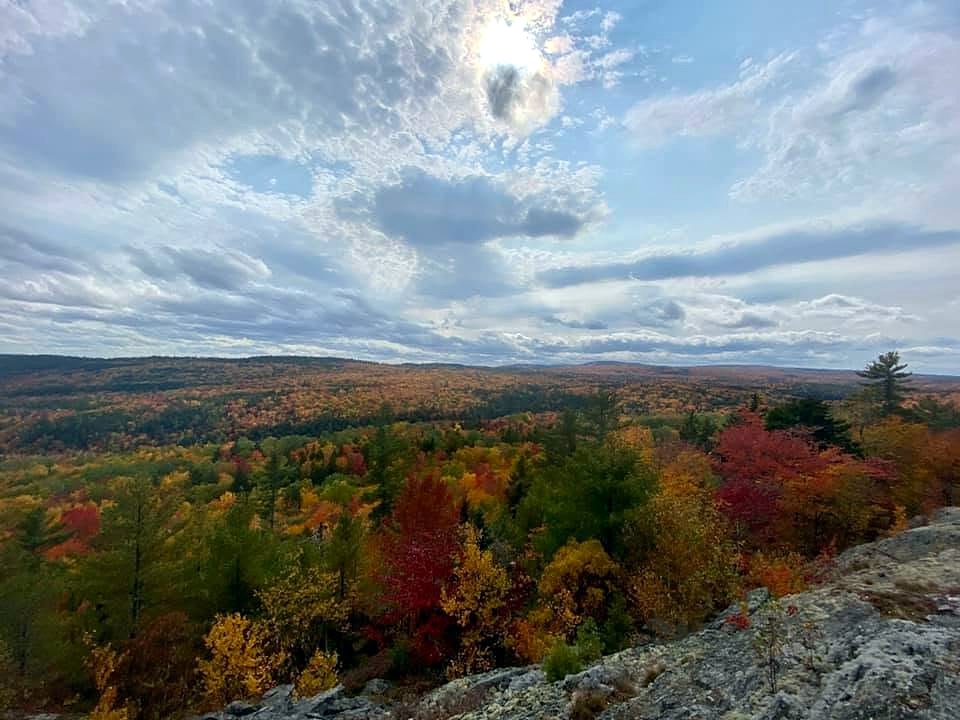
Think about altitude and season
Altitude changes everything. The Annapurna Circuit crosses Thorong La at 5,416 meters (17,769 feet), so a good itinerary builds in acclimatization days, and most people walk it counterclockwise for a more gradual climb. Spring and autumn are the main trekking seasons in Nepal. Check the current permit and guide rules before you go, since they've changed in recent years.
Season matters as much. The Alps are usually clear from late June to early September. Patagonia is best from November to March. On the Appalachian Trail, northbound hikers start in spring and need to reach Katahdin before Baxter State Park closes the summit in the fall.
Spend money where it counts
On a walking trip, I'd spend on logistics before I'd spend on the room: a guide where the route is high or remote, luggage transfers, a driver to the trailhead and a proper bed on the night before a big day. For anything at altitude or off the beaten path, I only work with certified or licensed guides.
If a long walk is on your list for 2027, tell me how many days you have and how comfortable you want the nights to be, and I'll build the rest around it. There's no fee for my planning.
Planning something? I'd love to hear about it.